
Table of Content
- The Sandpapergate Reignition and Rules
- Mike Atherton (England v South Africa, Lord’s, 1994)
- Sachin Tendulkar (South Africa v India, Port Elizabeth, 2001)
- Inzamam ul-Haq (England v Pakistan, The Oval, 2006)
- Shahid Afridi (Australia v Pakistan, Perth, 2010)
- Faf du Plessis (Australia v South Africa, Hobart, 2016)
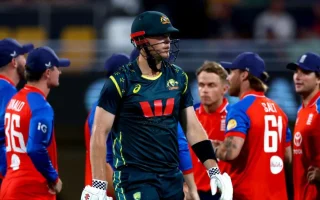
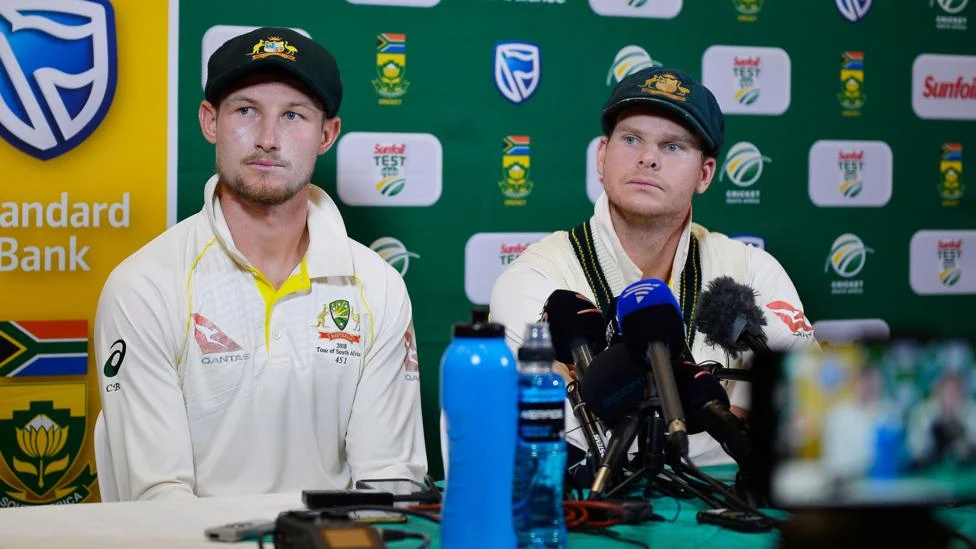
The infamous ball-tampering scandal from 2018 continues to haunt the sport as Cricket Australia expands its investigation into the era. The controversy originally erupted when Australian player Cameron Bancroft admitted to tampering with the ball against South Africa, leading to heavy suspensions for Bancroft, Steve Smith, and David Warner.
The Sandpapergate Reignition and Rules
The affair recently returned to the headlines due to the release of Usman Khawaja’s autobiography, in which the former batter claimed the entire squad knew about the plan—an allegation denied by current Test captain Pat Cummins. In response, Cricket Australia established an independent forum that now covers the entire 2017-18 season, including the Ashes series, and has pledged to publish the full report.
Altering the surface or seam of a ball helps bowlers achieve greater aerodynamic swing, but it explicitly violates Law 41 regarding unfair play. The phrase “It’s just not cricket” highlights how deeply the value of fair play is embedded in the sport, making ball-tampering a severe offense.
Mike Atherton (England v South Africa, Lord’s, 1994)
England captain Mike Atherton faced accusations of ball-tampering during a 1994 Test match at Lord’s after television cameras captured him applying dirt to the ball. Atherton maintained that he was merely putting dust from a used pitch into his pocket to keep his hands and the ball dry, arguing he was trying to preserve its condition rather than alter it. Match referee Peter Burge ultimately issued a £2,000 fine instead of a ban.
Sachin Tendulkar (South Africa v India, Port Elizabeth, 2001)
Indian batting legend Sachin Tendulkar received a suspended one-match ban from match referee Mike Denness after television footage showed him removing a blade of grass from the ball. The International Cricket Council eventually overturned the ban, ruling that his actions constituted cleaning the ball without umpire permission rather than tampering. The decision sparked a major dispute when the Indian cricket board rejected Denness as referee for the subsequent Test, which was ultimately classified as unofficial.
Inzamam ul-Haq (England v Pakistan, The Oval, 2006)
During the fourth Test at The Oval, umpires Darrell Hair and Billy Doctrove decided that the Pakistan team had illegally altered the ball, awarding five penalty runs to England and requesting a replacement ball. When play resumed after a rain delay, the touring side initially refused to take the field, causing the first forfeiture in Test history. While an ICC tribunal cleared captain Inzamam-ul-Haq of ball-tampering, he received a four-match ban for bringing the game into disrepute by refusing to play, and the match result underwent multiple revisions before settling on an England win.
Shahid Afridi (Australia v Pakistan, Perth, 2010)
Pakistan captain Shahid Afridi was found guilty of ball-tampering during the final one-day international against Australia in Perth after television cameras caught him biting the ball. The TV umpire reported the incident, leading to a ball change and a 5-0 series sweep for Australia. Afridi initially claimed he was merely trying to smell and feel the ball before later admitting he felt ashamed of his actions committed in the heat of the moment, resulting in a two-match T20 ban.
Faf du Plessis (Australia v South Africa, Hobart, 2016)
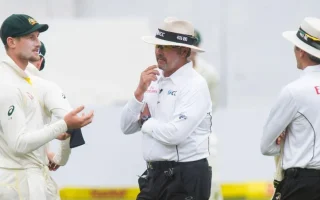
South Africa captain Faf du Plessis was caught on camera sucking on mints and applying his saliva to shine the ball during a Test match against Australia, earning a guilty verdict from the ICC. Du Plessis had previously received a fine for scuffing the ball against his trouser zipper during a 2013 match against Pakistan. Following the Hobart incident, Australian vice-captain David Warner publicly criticized the behavior, noting that players must accept the consequences of breaking the rules—ironically, just 16 months before Warner himself became embroiled in sandpapergate.