
Table of Content
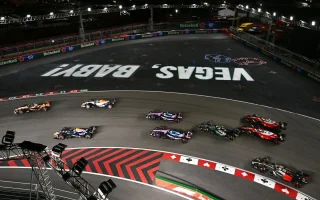
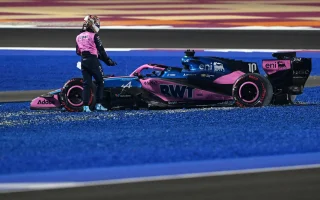
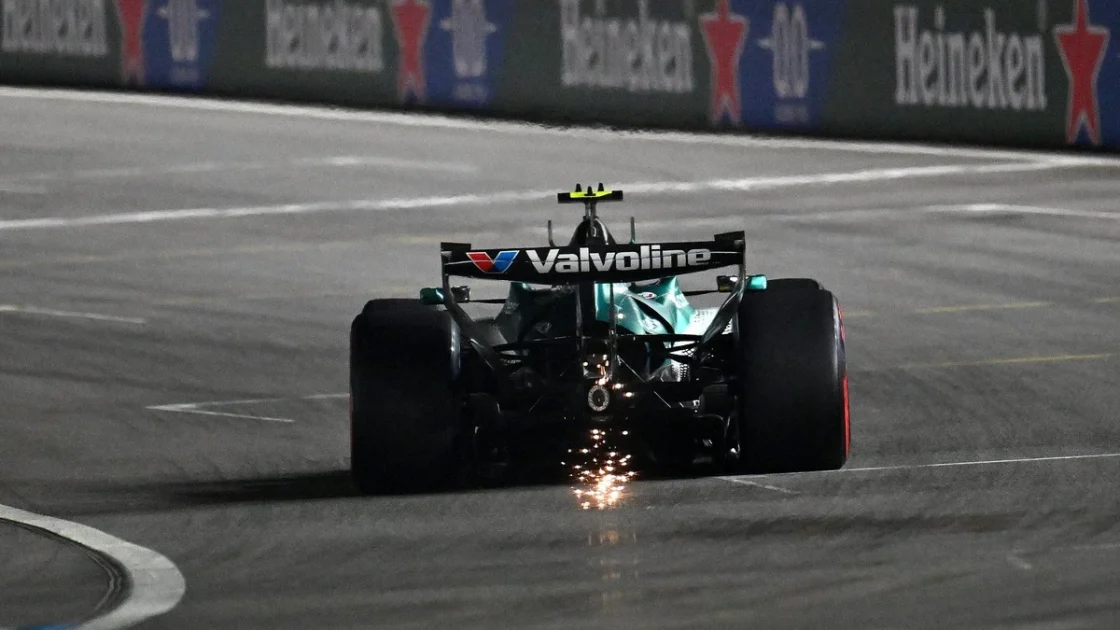
Honda has revealed that its data and physical checks found no issues with Fernando Alonso’s power unit following his dramatic radio message at the Formula 1 Las Vegas Grand Prix. The two-time world champion pulled into the pits on his final lap at the Strip circuit, declaring over the radio that his engine was broken.
Investigating the Las Vegas Retirement
Speaking to media including Autosport in Qatar, Honda chief engineer Shintaro Orihara explained that the manufacturer thoroughly examined the power unit after the weekend. Orihara stated that they reviewed all available telemetry and performed a physical maintenance check on the engine, yet found no abnormalities. He added that Honda would conduct further evaluations during Friday practice in Qatar to monitor how the unit performs on a different layout and to gather additional feedback from Alonso.
Orihara noted that Honda carefully analyzed the driver’s comments out of respect for his feedback. He pointed out that analyzing engine performance in Las Vegas was particularly challenging because the circuit is extremely power-sensitive and energy-poor. According to Orihara, varying energy management and torque effects across the cars made it difficult to isolate engine performance from car speed, though their metrics indicated the power output itself was normal.
Complexity of Modern Power Units
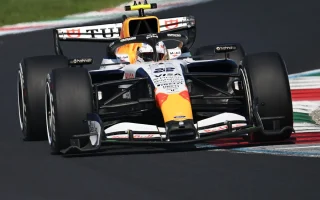
Aston Martin chief trackside officer Mike Krack supported the notion that modern systems complicate a driver’s perception on track. Krack explained to Autosport that small variations in MGU-K deployment can easily feel like an internal combustion engine failure. Because MGU-K power varies across different sections of the track, modern power units are much harder for drivers to judge accurately compared to past eras.
Orihara also suggested that sheer frustration might have contributed to Alonso’s retirement call. Both Alonso and teammate Lance Stroll reported losing two seconds per lap due to a lack of power. Orihara acknowledged that while data showed no technical faults, the current overall engine performance may fall short of providing the satisfaction and confidence drivers expect.
Driver Frustrations and Future Hopes
Stroll echoed these sentiments during media day in Qatar, emphasizing that the team cannot fight competitors when facing such a deficit on long straights. Stroll mentioned that while chassis improvements are being developed at Silverstone, a superior chassis cannot compensate for a significant power shortage. He expressed hope that the power unit will see major improvements next year.
Stroll remains optimistic about the chassis progression targeted for 2027, but stressed that competitive racing remains nearly impossible without a more powerful engine. Honda plans to continue monitoring the disputed power unit during the upcoming sessions in Qatar to determine whether it remains usable or requires a replacement.