
Table of Content
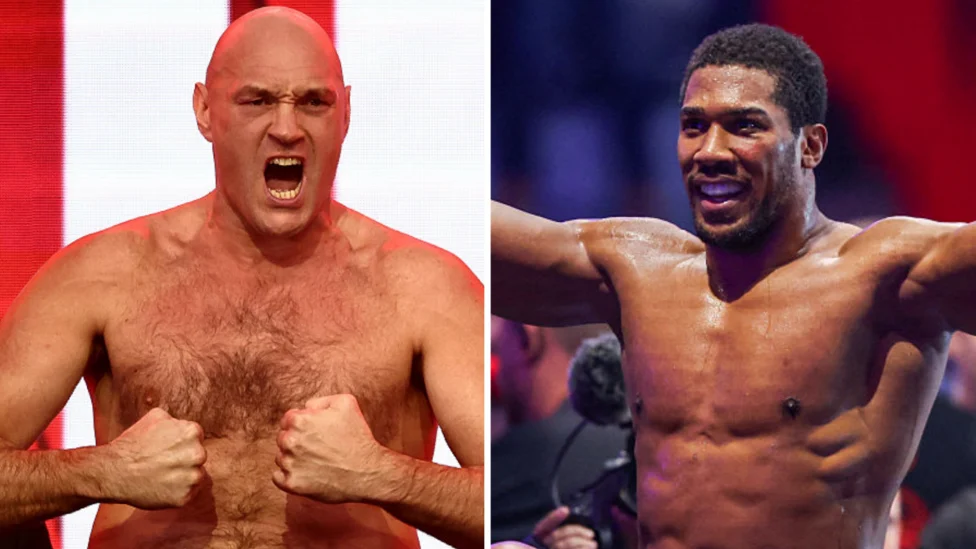
British heavyweight fighters Tyson Fury and Anthony Joshua are preparing to share the ring in Cardiff on Dec. 12, bringing an end to more than a decade of speculation and negotiations. The long-awaited bout, expected to take place before 80,000 spectators, follows years in which both fighters transformed British boxing into a major global attraction.
Bringing Big-Time Boxing to Britain
For years, many of the heavyweight division’s most prominent fights took place overseas. Former champion Lennox Lewis contested several of his defining bouts in the United States, while other contenders traveled to Germany during the reign of the Klitschko brothers. The landscape began to shift between late 2015 and early 2016, starting when Fury outpointed Wladimir Klitschko in Dusseldorf. Less than five months later, Joshua claimed his first world title by knocking out Charles Martin in London.
Speaking to BBC Sport for the documentary Rivals: Fury v Joshua, boxing analyst Steve Bunce described that six-month period as the start of a revolution in the sport. Former trainer Rob McCracken recalled early ticket sales for Joshua’s undercard fights in Birmingham, noting that promoters quickly recognized his ability to attract a broader audience to the sport.
By 2017, Joshua was drawing 90,000 fans to Wembley Stadium for his victory over Klitschko, while Fury established himself as a major box-office draw in the United States through his trilogy with Deontay Wilder. Bunce noted that the pair featured in eight major stadium events over an eight-year span, changing the course of British boxing history. While both men brought top-tier boxing home to Britain, their upcoming clash in Cardiff is funded by Saudi Arabia’s Riyadh Season and scheduled around American broadcast timing.
Mainstream Appeal and a New Generation
Both boxers expanded their reach beyond the sport into mainstream culture. Joshua became a regular guest on television chat shows, while Fury made appearances in professional wrestling and starred in a Netflix reality series. Heavyweight contender Derek Chisora told BBC Sport that their fight nights brought together diverse crowds, drawing people from corporate executives to local government workers.
The pair also took part in crossover bouts involving non-traditional opponents, including former UFC champion Francis Ngannou and digital creator Jake Paul. Though some fans viewed those events as financial detours that delayed division matchups, they contributed to keeping heavyweight boxing in the public spotlight.
That mainstream visibility helped build the stage for a new generation of British heavyweights, such as Daniel Dubois, Fabio Wardley, and Moses Itauma. Dubois, who defeated Joshua at Wembley seven years after Joshua’s win against Klitschko at the same venue, acknowledged the significant impact both men had on the sport. Prospect Leo Atang recalled taking up boxing at age 10 after watching Joshua beat Klitschko on television, later winning gold at the World Under-19 Championships. Wardley highlighted Fury’s victory in Germany as an event that rekindled public interest in boxing.
Addressing Legacy and Delayed Negotiations
Despite their individual accomplishments, questions about a direct contest between Fury and Joshua lingered throughout their careers. Promotional conflicts, broadcast rights, and commercial considerations repeatedly delayed negotiations. During the delay, both fighters suffered setbacks; Oleksandr Usyk defeated both men twice, while Joshua also lost to Andy Ruiz Jr. and Dubois.
Chisora described the eventual matchup as “getting the last drink in the barrel.” Fury’s father, John Fury, publicly expressed doubt about the need for the fight, stating that both men are multi-millionaires who have already surpassed the event itself. Former world champion Natasha Jonas noted that legacy ultimate depends on a fighter’s personal satisfaction with their achievements when retiring from the sport.
Barring any late disruptions, Fury and Joshua will put their records on the line in Cardiff. Regardless of the match outcome, their broader legacy remains anchored in a decade of sold-out stadiums and the growth of British heavyweight boxing on the world stage.