
Table of Content
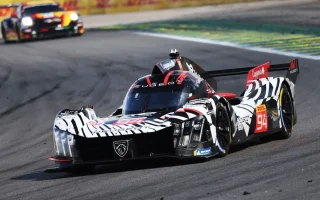
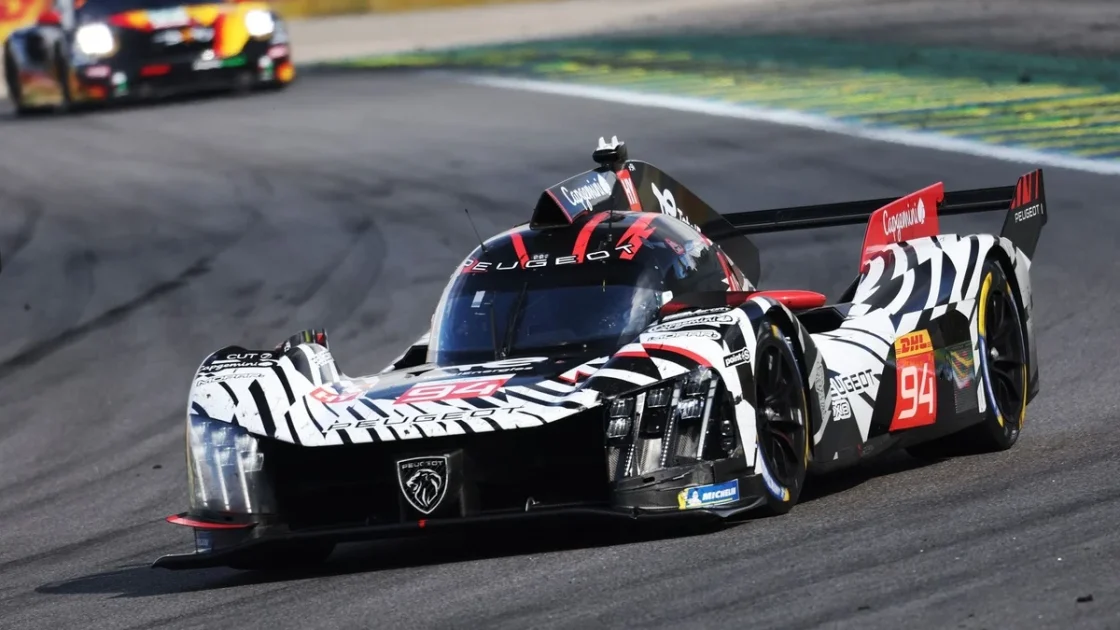
Peugeot has announced its immediate withdrawal from the World Endurance Championship (WEC), marking a sudden end to its factory Hypercar program. The decision, which comes as a surprise to the racing community, follows a directive from the Stellantis board to terminate all factory operations based in Satory.
A Shift in Strategy
Peugeot was among the first manufacturers to commit to the current Hypercar regulations, debuting its 9X8 car midway through the 2022 season. Despite initial performance challenges, the team remained committed to the series, recently developing an advanced “evo2” version of the 9X8. The new car had already begun track testing in July, with plans for final wind tunnel evaluations in December and homologation scheduled for January.
However, the project was abruptly axed just weeks after staff had begun preparing for the upcoming season. Alongside the WEC exit, Stellantis confirmed that its Formula E operations under the Citroen and Opel brands will be phased out after one final season. In an official statement, Stellantis explained that it is “refocusing its motorsport activities and resources on customer racing and high-performance vehicle development.”
The company intends to shift its technical expertise toward creating exclusive high-performance models for brands such as Alfa Romeo and Maserati. Stellantis stated that it plans to “retain and redeploy” staff affected by the closures, though specific details regarding these reassignments remain unclear.
Financial Pressures and Cost-Cutting
While Stellantis did not explicitly cite financial struggles as the primary driver for the exit, the group has faced significant economic headwinds. The company’s share price has dropped more than 62% this year, and it reported a loss of nearly €500 million for the third quarter. This follows a record loss of €22 billion last year, which included a substantial write-down related to electric vehicle plans.
Under new CEO Antonio Filosa, the company is executing an aggressive cost-reduction plan to restore profitability. Reports indicate that the group was spending nine figures annually across its various motorsport initiatives. Analysts suggest that Filosa’s focus on numerical performance over sentiment has led to the prioritization of savings over factory racing programs.
Impact on Personnel and Drivers
The decision leaves numerous staff members and high-profile drivers facing uncertain futures. Employees at the Satory facility must now choose between internal redeployment or seeking opportunities with other racing teams.
The driver lineup is similarly affected. Loic Duval, a Le Mans winner, will be left without a seat for the upcoming year. Other drivers, such as Nick Cassidy, Jean-Eric Vergne, and Robert Shwartzman, will continue in Formula E for the time being, but they face the need to secure new long-term employment as their respective programs wind down by the end of 2027. Additionally, Alex Quinn and Paul Di Resta, who are set to compete in the IMSA SportsCar Championship, will lose their top-level Hypercar and GTP opportunities starting in 2027.