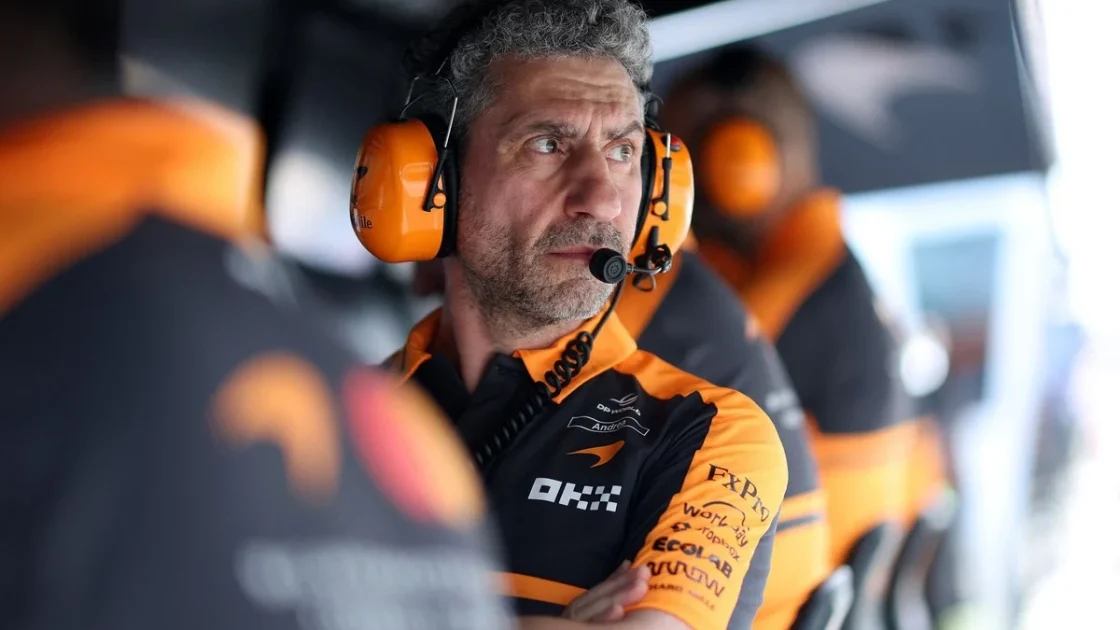
McLaren team principal Andrea Stella has addressed the team’s inconsistent performance throughout the 2026 Formula 1 season, attributing the difficulties to a combination of development delays and the complexities of being a customer engine team. Despite a challenging year, Stella remains optimistic about the team’s prospects for 2027, telling Motorsport.com that the squad is in a “completely different place” compared to the start of the season.
Understanding the Development Gap
Stella identified three primary factors that hindered McLaren’s 2026 campaign: a late start to the new car’s development, the intense pressure of the 2025 championship battle, and the inherent disadvantages of being a Mercedes customer team under the new technical regulations. He noted that the team entered the season roughly three months behind in development, a deficit identified through internal analysis of 2025 trends.
The team’s focus during the previous year was split between fighting for the championship and preparing for the 2026 regulations. Stella described the period as the most demanding of his 26-year career in the sport, requiring a constant balance between technical operations and managing the sporting ambitions of drivers Lando Norris and Oscar Piastri.
Addressing concerns that the team had regressed during the season, Stella argued that competitiveness must be viewed relative to rivals rather than in absolute terms. “I don’t believe we ever took any steps backwards during the season,” he told Motorsport.com, noting that while McLaren consistently improved, other teams were also making significant gains that prevented the gap from closing.
The Customer Engine Challenge
A significant hurdle for McLaren was the integration of the new power units. Stella explained that as a customer team, McLaren was not the priority for Mercedes HPP, leading to delays in understanding power curves, cooling requirements, and energy management. These issues were compounded by the fact that some proprietary software tools used by the Mercedes works team were not initially available to McLaren.
This necessitated the development of equivalent tools, a time-consuming process that left McLaren at a structural disadvantage. Stella noted that at circuits like Baku, where energy management is critical, the team struggled to deploy full battery power, highlighting the cost of not being at the cutting edge of development timing. However, he emphasized that the relationship with HPP remains positive and that there was no deliberate attempt to disadvantage the team.
Looking Toward 2027
As the team prepares for the next season, Stella is confident that the knowledge gained in 2026 will provide a strong foundation. McLaren will have full access to the same optimization tools as the works team in 2027, and the leadership team has been able to dedicate more focus to technical preparations without the intense sporting management pressures of the previous year.
Stella reaffirmed the team’s high ambitions, stating that McLaren aims to remain a championship contender. He views 2026 as a transitional year that has provided the team with a deeper understanding of its car and the Mercedes power unit. The objective for the coming season is to translate these lessons into a competitive advantage and return to the front of the grid.