David Beckham’s iconic halfway line goal against Wimbledon in 1996 remains a famous highlight in football history, but today’s players are attempting similar long-range shots with growing frequency. Premier League and English Football League (EFL) stars are testing their precision from deep, driven by modern tactical approaches and the higher starting positions of goalkeepers.
Rise in Long-Range Attempts
There have already been 19 attempts from over 50 metres in the Premier League this season, putting the division on course to surpass last season’s total of 26. Shots from beyond the halfway line account for 0.7% of the 2,733 total shots in the league this term, rising from 0.3% over the course of the previous season.
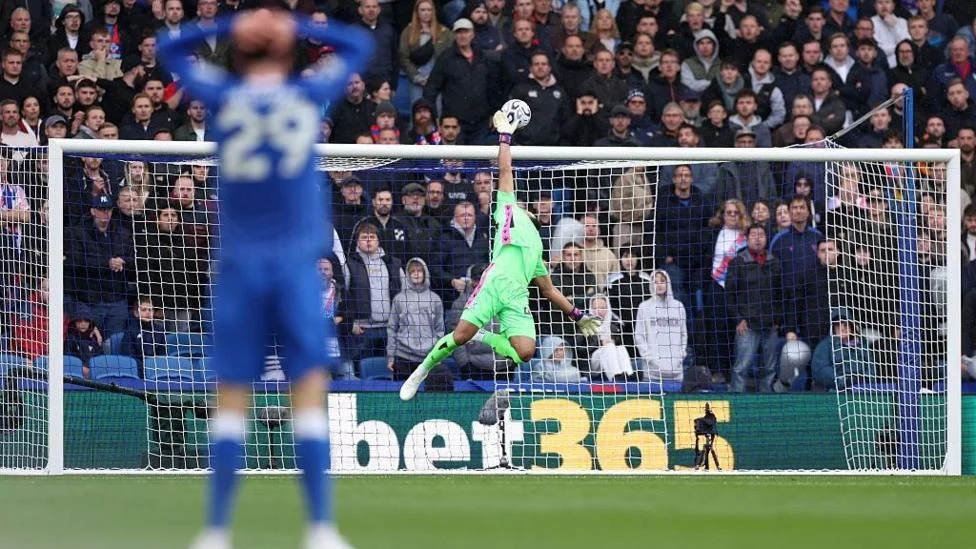
Conversion rates for efforts from more than 50 metres have also climbed to 5.3%, compared to 1.1% combined across the previous three seasons. Last month, Brighton’s Diego Gomez scored a stunning 51-metre strike against Crystal Palace, representing the first Premier League goal from beyond 50 metres since the 2023-24 campaign. Gomez, who received advice from Lionel Messi at Inter Miami to always look to play the ball forward, also attempted a shot from deep in his own half during a win at Sunderland.
Other players contributing to the trend include Charlie McNeill, who scored from halfway for Crewe in an FA Cup win against AFC Wimbledon. The 23-year-old on-loan Sheffield Wednesday forward told BBC Sport that the decision to shoot was completely instinctive upon noticing the goalkeeper off his line.
McNeill said: “Goalies nowadays are always quite high up the pitch – playing a sweeper-keeper role – and I always have a thought if I ever got into that situation to have a go. You see it more and more. I had the opportunity so I thought: ‘Why not have a go?’ It was one of those goals. I turned and saw him off his line and in that split-second made the decision to shoot.”
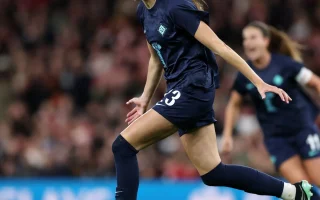
Additional long-range efforts across the lower divisions and youth football include Preston Fearon scoring two goals from around the halfway line for West Ham Under-21s against Burnley, and Gbemi Arubi finding the net from just over the halfway line for Burton against Peterborough. Last season, players such as Abdul Fatawu, Ryan Ledson, Reyes Cleary, Regan Hendry, and Sammy Braybrooke all scored from inside their own half in the EFL, while Chelsea’s Moises Caicedo scored from the centre circle against Bournemouth two years ago.
The Role of the Modern Goalkeeper
The growing frequency of long-range shots is closely tied to how modern goalkeepers operate. Teams frequently employ a high defensive line, requiring goalkeepers to position themselves further up the pitch to act as sweepers and help build attacks from the back.
Former England international Paul Robinson explained that conceding from distance is now an accepted risk that managers are willing to take for tactical gain. Robinson noted that managers want the goalkeeper at the base of the defence and playing a high line to read through balls, leaving them to concentrate on the defensive line rather than the position of the football.
Robinson stated: “We see so many managers come out now and say: ‘It’s OK. I’m quite happy with them making mistakes. This is the way I want them to play. Blame me because that’s what I’ve asked them to do.’ We’re probably entering that type of territory with it.”
While sample sizes remain small and require more time to establish definitive trends in the top flight, the combination of aggressive pressing, higher goalkeeper positioning, and bolder attackers suggests supporters could see further Goal of the Season contenders before the campaign concludes.