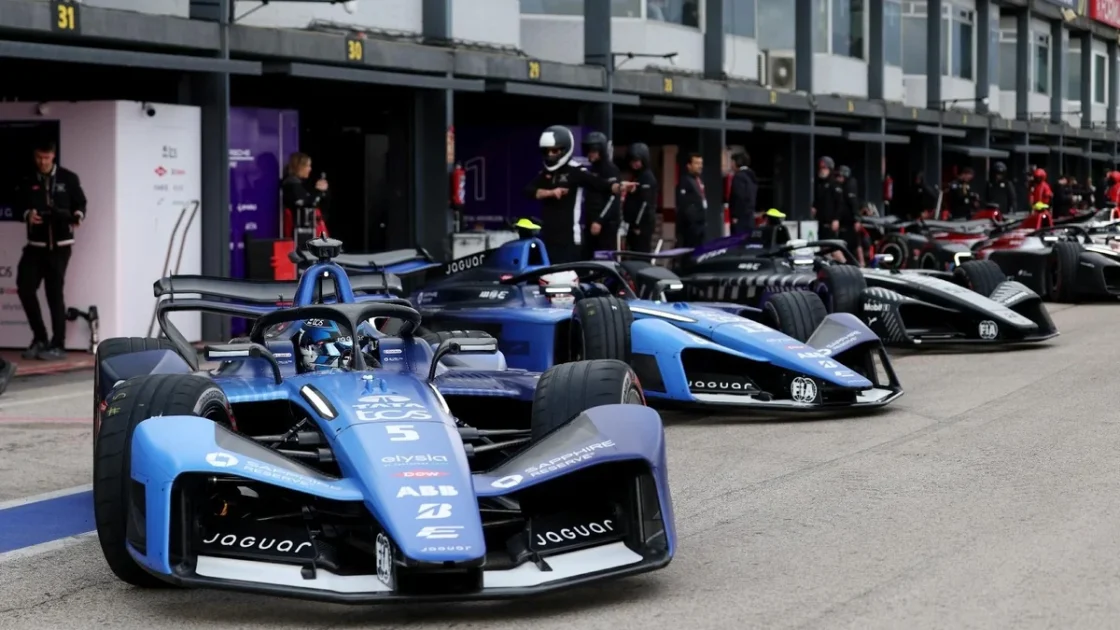
Formula E is preparing for a massive transformation with its upcoming Gen4 era, aiming to elevate performance and strengthen technology transfer to road cars. The new electric single-seaters will feature dramatic increases in power, aerodynamic downforce, and electronic freedom.
Unprecedented Performance and Aerodynamics
The Gen4 car boasts staggering performance figures, delivering up to 600kW (around 815bhp) in qualifying mode alongside permanent four-wheel drive for enhanced grip. FIA technical manager Vincent Gaillardot told Autosport that aerodynamic development was a primary focus alongside intensive work with new tyre supplier Bridgestone.
To harness this extreme power, the car’s aerodynamic downforce will more than double compared to previous generations. Following a late 2025 redesign, engineers developed two distinct aerodynamic configurations to suit different racing formats.
The high-downforce package features a lower front wing with specialized airflow openings and a higher rear wing with a secondary flap. As reported by Autosport, this high-downforce setup will be deployed during short 30-minute sprint races known as E-Prix Unleashed. Meanwhile, the low-downforce configuration will be utilized for full-distance races where energy management remains essential.
Advanced Electronics and Torque Management
Beyond aerodynamics, the Gen4 era introduces significant freedom for teams regarding electronic systems. Unrestricted technologies will include traction control, active front and rear differentials, brake-by-wire on both axles, and adjustable torque distribution.
Gaillardot explained to Autosport that incorporating these systems aligns Formula E with modern premium road-going electric vehicles and shifts the championship’s focus toward cutting-edge technology. Permanent four-wheel drive combined with an active front differential and flexible torque management will allow teams to counteract oversteer or understeer dynamically.
James Rossiter, the driver who assisted the FIA with Gen4 track development, told Autosport that teams can use software to compensate for mechanical imperfections. He noted that analytical drivers and engineers will find enormous potential in optimizing brake-by-wire, anti-slip systems, and energy efficiency during races.
The development of the Gen4 era coincided with the start of the Jarama pre-season test, where the cars debuted a new steering wheel equipped with advanced buttons and knobs.