
Table of Content
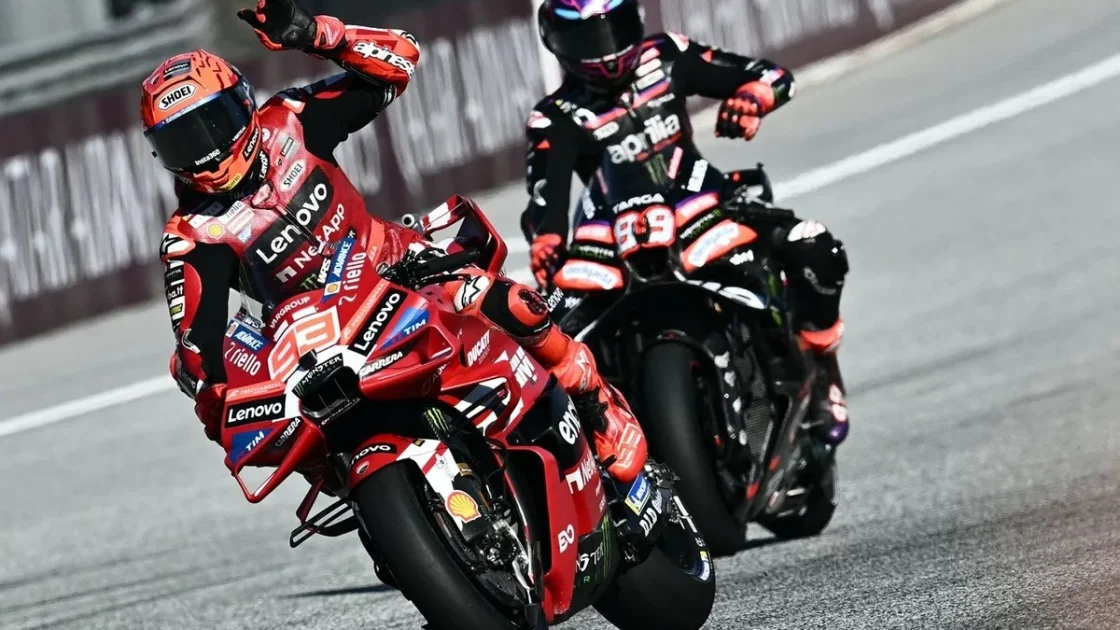
Marc Marquez secured the 2026 MotoGP world championship by evolving his approach to racing, moving beyond raw speed to employ strategic creativity. By overcoming a 102-point deficit, the Ducati rider solidified his legacy as one of the sport’s greatest competitors while navigating physical limitations.
Sprint Race Dominance
Marquez built his title campaign on Saturday performances, securing 10 sprint victories throughout the season. Over 21 rounds, he accumulated 164 points in sprint races, outperforming sprint specialist Jorge Martin by 40 points and Marco Bezzecchi by 72 points. His ability to win in varied conditions—including early-season struggles with a shoulder injury and later victories at tracks favoring the Aprilia RS-GP—consistently forced his rivals to play catch-up during Sunday main events.
Mastery of Race Starts
Despite Ducati securing only three pole positions in the final 13 weekends, Marquez frequently neutralized his bike’s one-lap pace deficit with explosive starts. By gaining track position immediately, he was able to dictate the pace of races. This tactic proved decisive at the Aragon and Misano rounds, where he successfully held off faster rivals by controlling the front of the pack from the opening lap.
Wet-Weather Performance
While Aprilia generally fielded the fastest bike of the 2026 season, Marquez demonstrated superior adaptability when weather conditions deteriorated. A notable example occurred at Phillip Island, where he secured pole position by nearly 1.5 seconds during a wet Saturday session. This performance allowed him to claim maximum points in a race where the Aprilia riders would have likely held the advantage in dry conditions.
Psychological Warfare
Marquez actively pressured his rivals through both on-track aggression and off-track comments. By publicly downplaying the importance of the 2026 title to his own career, he shifted the psychological burden onto Aprilia, framing the championship as an opportunity they could not afford to lose before the 2027 regulation changes. His strategic remarks, such as his comments at Phillip Island regarding team orders, were designed to unsettle the competition.
Consistency and Error Reduction
Following his return from injury at Mugello, Marquez significantly reduced his rate of race-day errors. He adopted a more pragmatic approach, prioritizing points finishes over risky maneuvers. While his rivals frequently conceded points through crashes, Marquez maintained a high level of consistency, rarely finishing outside the points or running wide. His only race DNF following his Le Mans accident occurred during the Portimao sprint.
Focused Energy Management
As the season progressed, Marquez adopted a disciplined, single-minded focus that included limiting his social media presence. He carefully managed his physical and emotional reserves, often opting not to celebrate sprint victories to conserve energy for Sunday races. This approach ensured he remained as competitive as possible during the final stages of each race weekend, when his physical condition was at its lowest point.