Table of Content
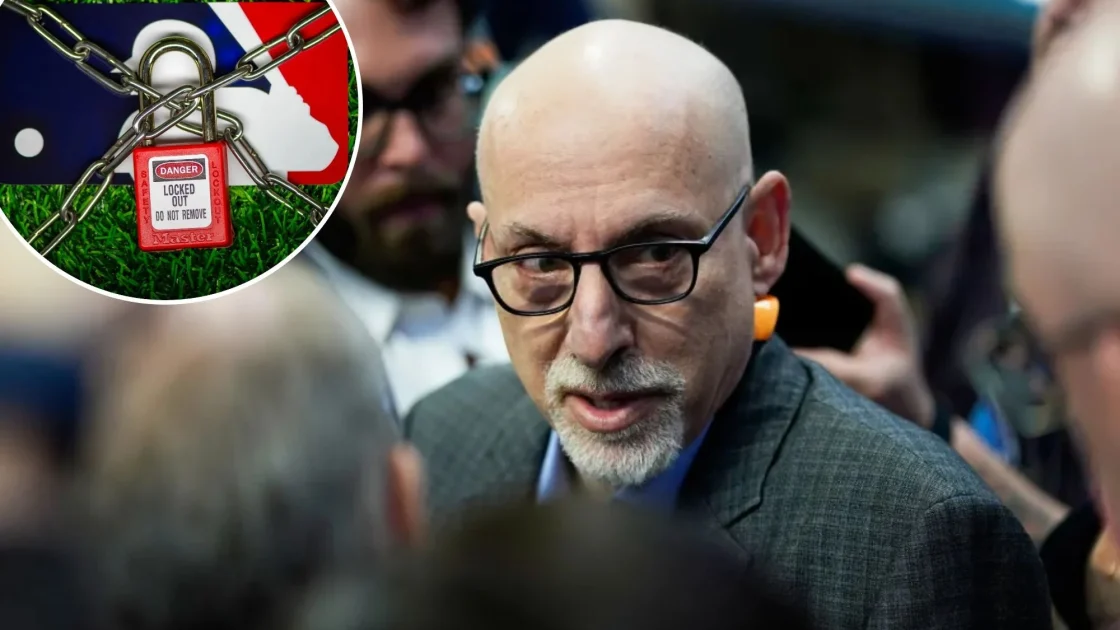
Major League Baseball players rejected management’s proposal for an international amateur draft during a bargaining session in New York. Instead of a draft, the players’ association asked for larger signing bonus pools under the existing system and additional rewards for small-market teams as the sport moves closer to a potential lockout.
Draft Proposals and Union Response
Management has spent more than two decades attempting to establish an international draft, proposing in June that a 12-round format begin in 2027. Bruce Meyer, head of the players’ association, stated in a release that the union aims to preserve opportunities for future players, protect prospects from exploitation, and maintain flexibility without introducing artificial restrictions like a draft.
Glen Caplin, speaking as an MLB spokesperson, stated that the organization still believes reform is necessary to address longstanding issues and that transparency from a draft would best target the root causes of corruption. Caplin added that MLB withdrew its proposal to make high school players ineligible for the domestic amateur draft following union feedback.
Management’s latest proposal featured $200 million in signing bonus pools for 2027, matching estimated 2026 international amateur spending, while keeping an unlimited amount of passed-over players signing for up to $10,000 each. Owners also proposed hard slots for each draft pick and raising the minimum signing age for international amateurs from 17 to 18 by September 1 of their signing year.
The union countered by proposing that teams entering agreements with international amateurs outside a signing period lose the right to sign that player, forfeit pool space equal to the agreed bonus, and lose their entire pool space for the next signing period. Penalties would also include redistributed pool space, a minimum $200,000 fine, and a jointly hired compliance officer.
Bonus Pools and Small-Market Rewards
Players proposed raising the three basic team pool levels in 2027, increasing them from $8,034,900 to $8.5 million, from $7,357,100 to $7.75 million, and from $6,679,200 to $7 million, with future growth matching industry revenue rates. Clubs could exceed these pools subject to taxes and potential future pool losses if exceeding the limit by 15% or more, alongside up to $2 million in additional pool space from Prospect Promotion Incentive club rewards.
The union requested raising the limit for bonuses exempt from pools to $75,000 through 2029 and then $100,000, while removing the 60% additional pool allotment cap and the $250,000 increment requirement for traded allotments. Players signing for under $75,000 would also qualify for $25,000 promotion bonuses funded centrally by MLB if assigned to a complex or player development league club.
To assist small-market teams, the union proposed allowing revenue-sharing recipients to increase their pool by $1 million in a single signing period over a five-year agreement and by $500,000 in each period following a postseason berth. These clubs could also sign two draft-eligible players to major league contracts from 2027 to 2031, with a $4 million allotment deduction per player.
Additionally, players requested separate signing bonus pools for eligible athletes with limited foreign professional experience to prevent them from competing against teenage prospects for pool money, similar to how Roki Sasaki signed with the Los Angeles Dodgers prior to the 2025 season.
Pending CBA Expiration and Labor Outlook
MLB’s five-year collective bargaining agreement is set to expire on December 1 at 11:59 p.m. EST. Management is widely anticipated to lock out players immediately, marking the sport’s 10th work stoppage since 1972.
Owners continue to push for a salary cap, an approach players maintain they will never accept, creating a major confrontation that places the 2027 season in jeopardy. Management first attempted to implement an international draft in 2001 and has faced continuous rejection from players.
“Our proposals help build upon baseball’s advances as an international game, while safeguarding the interests of young athletes who are the future of our sport,” Meyer stated.