
Table of Content
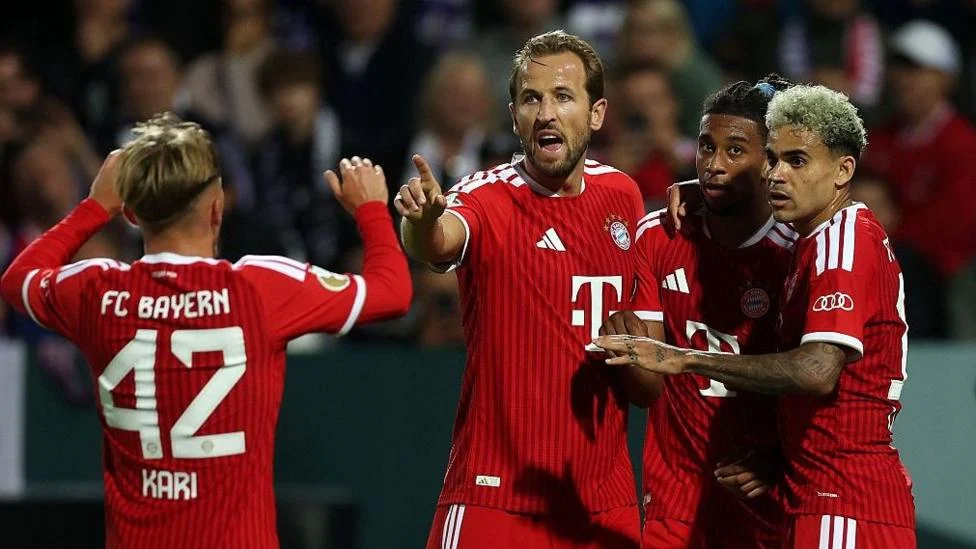
Bayern Munich features England captain Harry Kane as part of its elite squad, but the German club also maintains a strong focus on producing homegrown talent. Director of youth development and campus Jochen Sauer told BBC Sport that maintaining a local core while competing internationally drives the club’s strategy.
Recruitment strategy and local focus
Sauer joined Bayern in 2017 when the academy campus opened away from the first-team training complex. Guided by the motto “Mia San Mia”, the club aims to keep a regional element in the senior team while staying competitive on a Champions League level, as seen when four homegrown players started the 2013 final victory.
Recruitment guidelines for under-11 to under-15 teams prioritize players from Munich and Bavaria. Examples include 26-year-old midfielder Josip Stanisic, who joined as an under-17 player from SC Furstenfeldbruck, and 22-year-old Germany international Aleksandar Pavlovic, who entered the academy at age eight.
Jamal Musiala stands out as a major academy success. The 23-year-old star joined at age 16 after playing for Chelsea youth teams, moving from Germany to England at age seven and returning when the timing aligned with Bayern’s interest. Sauer noted that Chelsea seemingly overlooked his full potential, enabling Bayern to secure the deal. Other youth additions include 18-year-old Bara Sapoko Ndiaye from Gambia and 18-year-old Lennart Karl.
Campus accommodation and coaching influence
The Bayern Campus houses up to 43 players, starting primarily with local talent before broadening overseas. Sauer explained that the guideline requires at least 60% of players reaching the under-19 age group to come from the region, leaving 40% for nationwide recruitment, and international scouting begins once regulations permit at age 16.
When Musiala joined, the under-17 team was coached by former Bayern forward Miroslav Klose, who helped develop the player’s defensive game before becoming an assistant under Hansi Flick. Former Bayern centre-bit Dante currently serves as the under-19 head coach, injecting club DNA and character requirements into the prospects.
Coaches follow guidelines aimed at dominance and intensity while retaining individual ideas. Sauer stated that the overall strategy remains consistent with the eras of Jupp Heynckes, Pep Guardiola, and Louis van Gaal, while incorporating modern adjustments from managers including current boss Vincent Kompany.
The end goal for young players
A corridor display at the campus features framed shirts of academy graduates who have played at least 30 full 90-minute matches in Germany’s football leagues. Bayern reports that nearly 44% of youth players in the system up to the under-19 level eventually become professional players.
Sauer noted that while breaking into a squad featuring players like Harry Kane is difficult, the club guarantees development to a tier-one, tier-two, or tier-three professional level. The business side also matters for the six-time European champions, who last won the Champions League in 2019-20.
Sauer added that having five or six academy players steadily in the first team represents success, while player sales help the club compete financially with English, Spanish, and French clubs. Recent player sales include Mathys Tel to Tottenham, Adam Aznou to Everton, Paul Wanner to PSV, and Jonah Kusi-Asare to Fulham.