
Professional snooker has once again brought the psychological strain of individual sports into the spotlight following an emotional interview by world number 11 Mark Allen. Allen admitted he was struggling in a “bad place” and trying to survive, highlighting the hidden toll of a game where players spend hours in isolation and face intense public pressure.
Why Snooker Is Considered Mentally Destructive
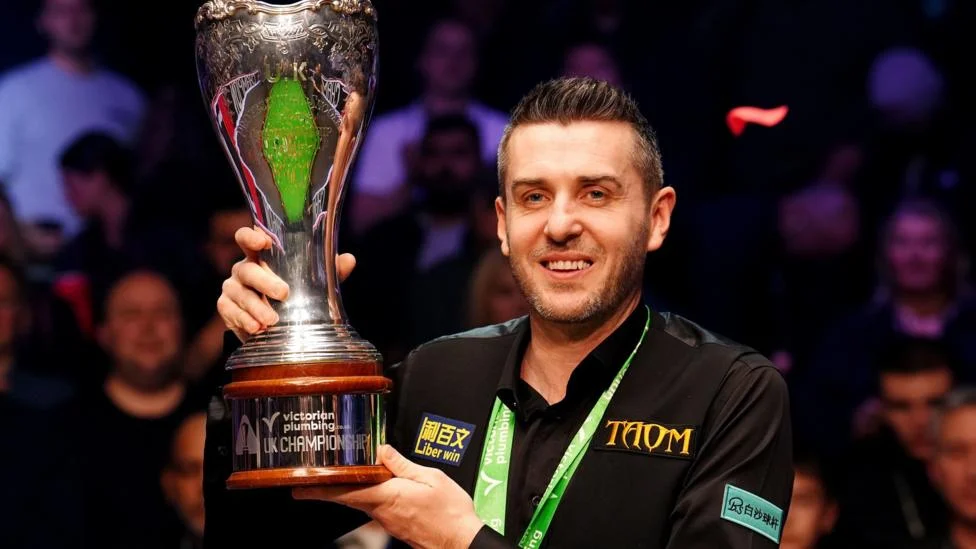
Allen revealed he had spent 10 weeks in a mental health clinic before discharging himself to play at the Northern Ireland Open, though he planned to continue his treatment. His openness follows similar struggles from multiple world champions, including Ronnie O’Sullivan and Mark Selby, the latter of whom considered retirement after a first-round defeat at the 2024 World Championship.
Unlike many team sports or even other individual disciplines, snooker is uniquely solitary. Players spend long hours practising alone in dimly lit rooms, and entire livelihoods can hinge on a single misjudgment. As 1997 world champion Ken Doherty told BBC Sport, players must sit helplessly in their chairs while an opponent is at the table.
Dr Paul Gaffney, a psychologist who has worked with Allen for four seasons, described the arena as a “colosseum” where players are watched by crowds and can either thrive or suffer a very public defeat. Gary Wilson, the world number 28, told BBC Sport that snooker is potentially more mentally destructive than other individual sports due to the prolonged isolation of training in dark rooms for hours each day.
Support Systems and Player Perspectives
Since 2021, the World Professional Billiards and Snooker Association (WPBSA) has partnered with Sporting Chance, a charity founded by former footballer Tony Adams, to provide mental health provisions. The service offers players a confidential 24/7 helpline leading to free treatment with a qualified therapist across six to 12 talking sessions.
Despite this, some competitors argue that support could go further. O’Sullivan and Selby previously stated they would like to see mental health professionals operate on-site at tournaments, a view supported by Wilson. However, Doherty, who sits on the WPBSA players’ board, defended the existing setup by explaining that anonymity is crucial because players typically do not want to speak to someone physically at a tournament venue.
WPBSA chairman Jason Ferguson acknowledged that the sport features extreme highs and lows, emphasizing that authorities must continually promote the availability of these support services. Wilson also raised concerns about the strict expectations of etiquette in snooker, recalling an incident in 2021 when his depression caused him to thrash a cue ball in frustration during a match against John Higgins, resulting in a fine and warning. Wilson argued that players should be allowed to vent their emotions, while Ferguson responded that snooker fundamentally remains a sport built on great etiquette.
Allen is scheduled to face Yuan Sijun in the UK Championship, a tournament he won in 2022, though he has not publicly confirmed whether he will compete. Dr Gaffney praised Allen’s courage and integrity, noting that his willingness to speak out demonstrates immense class.