
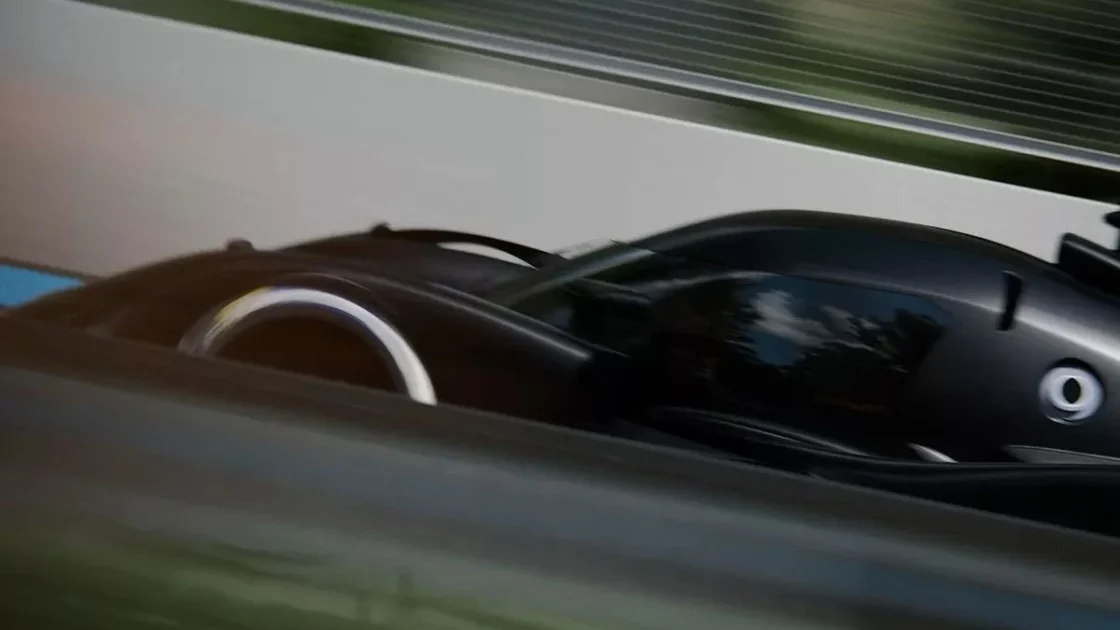
Peugeot had invested significant resources into developing a revised 2027-spec 9X8 LMH car that offered its best chance to become a consistent World Endurance Championship frontrunner. The French manufacturer was far along in its testing and homologation schedule before the Stellantis board abruptly decided to scrap the entire program.
Development and Technical Goals
By mid-2025, Peugeot identified major weaknesses in its package, realizing that incremental updates would not be enough against competitors like Toyota, Porsche, and Ferrari. While it considered a clean-sheet design, the team instead focused on overhauling the car for 2027 using a new rule that granted struggling manufacturers two additional evo updates.
As reported by Autosport.com, the 2027 update aimed to fix specific shortcomings of the second-generation 9X8, including poor performance at the Le Mans 24 Hours. Aerodynamics was the main focus, alongside suspension damping to improve cornering performance. Team principal Emmanuel Esnault explained at Monza that key targets included eradicating issues with aero dumping, improving straight-line performance, and maintaining aerodynamic consistency across all phases of a corner.
Peugeot began a rigorous testing program in July and finalized the 2027 car specification before the current season ended. The team had a straight-line test scheduled at Chateauroux just two days after the Stellantis board made the decision to cancel the project. A final test was planned at Paul Ricard for early December, ahead of homologation at Windshear and final approval from the FIA and ACO.
Operational Changes and Sudden Cancellation
To combat increased Hypercar competition, Peugeot was bolstering its engineering department by signing new staff for operations, engineering, and trackside roles. As noted by Autosport.com, these expansion plans indicated that Stellantis Motorsport had no warning of the board’s drastic cost-cutting decision. Just months prior at Le Mans, new Peugeot CEO Alain Favey had reaffirmed the company’s WEC commitment through 2029, but the shutdown order ultimately came directly from the Stellantis board under Antonio Filosa.
Peugeot’s original V6-powered 9X8 design suffered heavy compromises when LMH regulations were adapted for LMDh cars. The team initially relied on ground effect with identical 31-inch wheels. In 2024, Peugeot abandoned that philosophy to adopt 29-inch front and 34-inch rear wheels alongside a conventional rear wing. Despite extensive revisions yielding only four podiums and one pole position since 2022, management felt confident in the 2027-spec car’s testing performance.
With a new team principal in Esnault, an expanded department, and key driver signings, Peugeot appeared poised to add to its endurance racing history before the eleventh-hour cancellation halted the project.