
Table of Content
Peyton Manning retired with a Super Bowl victory, and Tom Brady enjoyed a grand farewell tour, but most players exit the NFL far more quietly. For Aaron Rodgers, his storied career may conclude through a late-night team press release rather than a celebratory send-off.
The Harsh Reality of Athlete Retirement
As sports.yahoo.com points out, every athlete experiences a form of mortality upon retirement, regardless of past success. Rodgers’ recent benching generated massive attention, raising questions about Pittsburgh’s playoff aspirations and how the franchise handled the situation. While some fans and critics celebrate his departure due to his polarizing personality and outspoken views, the sudden end remains a sobering reality for one of the greatest quarterbacks in history.
A Polarizing Legacy and Uncertain Future
Rodgers has built an identity far beyond football, clashing with coaches, front offices, politicians, and opposing fan bases over his career. Unlike traditional former players who move into broadcasting or commercial endorsements, Rodgers’ next steps remain entirely unpredictable, whether he pursues a podcast, political ambitions, or something else entirely. Yet, as sports.yahoo.com notes, nothing will replicate the highs he experienced on the field over the past two decades.
Uncertain Final Chapters in Pittsburgh
This may not be the absolute final chapter for Rodgers if he desires a curtain call, though that outcome appears unlikely. The Steelers currently have rookie Drew Allar and second-year player Will Howard behind replacement Mason Rudolph, meaning Pittsburgh could use the final games of the season to evaluate its future quarterbacks if the playoff push falters.
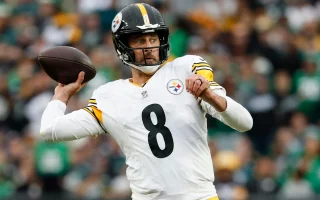
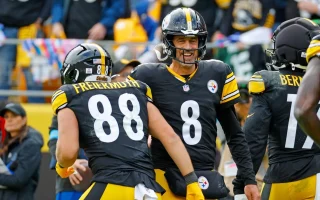
If this marks the end of the line, Rodgers’ final pass resulted in a 20-yard touchdown to undrafted rookie Max Hurleman against the Philadelphia Eagles. Hurleman proved a fitting target given Rodgers’ previous public critiques regarding the front office’s management of the rookie’s career.