
As Major League Baseball approaches a potential lockout following the expiration of the Collective Bargaining Agreement on December 1, the debate over team finances has intensified. Owners are reportedly pushing for a salary cap in the name of parity, a move that has drawn sharp criticism from those who believe the league’s financial struggles are overstated.
The Case for Financial Transparency
A primary point of contention is the lack of transparency regarding how much money MLB teams actually generate. While the Atlanta Braves, as a publicly traded company, provide a clear look at their financial health, most other franchises remain opaque. Recent sales of teams highlight the massive appreciation in value; for instance, the Los Angeles Angels were sold for $4 billion after being purchased for $184 million in 2003, and the San Diego Padres were recently sold for $3.9 billion, despite being in a smaller media market.
The Major League Baseball Players Association (MLBPA) has consistently maintained a firm stance against claims of financial hardship from owners. A source told CBS Sports that the solution for any team claiming to lose money is straightforward: “If any team wants us to believe they are losing money, they can simply open their books.”
Owner Perspectives and Fandom
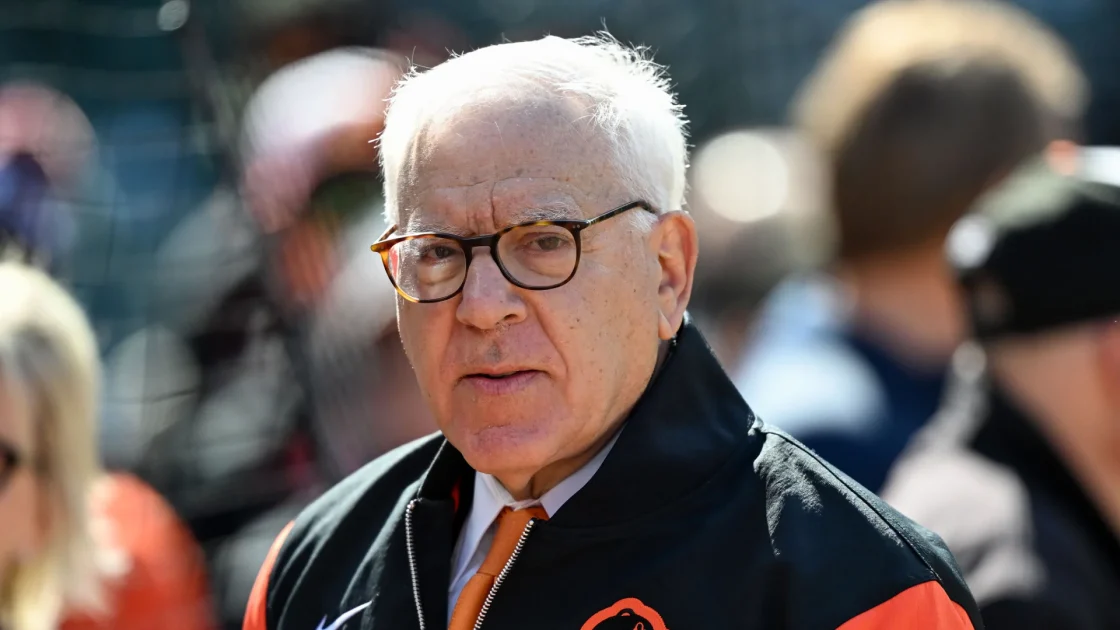
The disconnect between ownership and the fanbase was recently highlighted by Baltimore Orioles owner David Rubenstein. Speaking at a forum at the Economic Club of Washington, D.C., Rubenstein noted that he entered team ownership after observing that his peers were generating significant wealth, stating, “They’re making more money than I’m making in private equity.”
Rubenstein also questioned the passion of sports fans, remarking that he struggled to understand why fans are obsessed with the success of their local teams, noting that fans do not profit financially from a team’s victory or receive trophies. This perspective has been criticized as being out of touch with the nature of sports fandom, which provides emotional value and shared experiences that transcend material gain.
While acknowledging that not all owners share the same motivations, the prevailing sentiment among critics is that many view franchises primarily as vehicles for profit. The push for a salary cap is seen by some as a strategy to artificially suppress payroll and increase the profitability of these “virtual ATMs.”
As the December deadline looms, the divide between the players and the owners remains wide. The demand for financial disclosure serves as a central pillar for those who argue that the league’s claims of poverty lack the necessary evidence to justify structural changes to player compensation.