
The upcoming world chess championship in Geneva between Uzbekistan’s Javokhir Sindarov and India’s Gukesh Dommaraju brings together two 20-year-old prodigies in a classic clash of styles. Sindarov secured his title shot after winning the Candidates Tournament with an aggressive attacking style, while the reigning champion Gukesh is known for his resilience and composure under pressure.
The Impact of AI on the Game
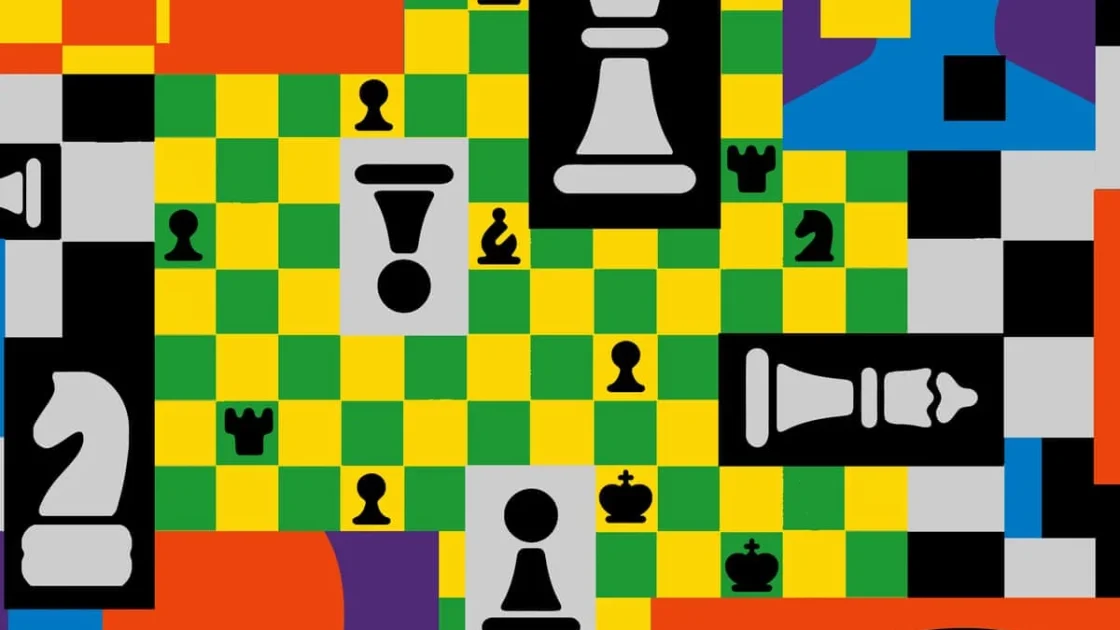
As reported by Sport | The Guardian, chess has been grappling with artificial intelligence since Deep Blue defeated Garry Kasparov in the late 1990s, serving as a long-standing test case for how human intelligence interacts with machines. Before AI, players debated opening lines and strategies for years in publications like Chess Informant, treating tournaments as research laboratories. Today, computers provide definitive right and wrong answers to positions, transforming how games are analyzed and removing traditional theoretical debates.
Despite fears that computers would ruin the game, chess has experienced a massive surge in popularity. Rather than ending the sport, AI removed the illusion of human superiority from the activity and reinforced its status as a pure sport. Platforms and content creators like the Botez sisters and GothamChess command millions of followers, while local chess clubs, pubs, and bars around the world draw thriving communities of players.
Human Drama and Psychological Toll
AI has strict limits, as demonstrated by grandmaster Vishnu Prasanna, who banned Gukesh from using AI until he became a strong player to ensure traditional analysis built his foundational thinking. Furthermore, computer-versus-computer matches involve strategies and endgames completely alien to human comprehension, proving that human interest remains rooted in what people can actually grasp and experience.
The upcoming championship will remain a deeply human struggle defined by psychology, endurance, and mental pressure. The intense toll of elite competition was evident when previous champion Ding Liren suffered from exhaustion and depression, requiring clinical treatment after winning the title in 2024. As Magnus Carlsen noted in a Spanish newspaper interview cited by Sport | The Guardian, human limitations at the game have been laid bare by machines, but chess ultimately remains an impenetrable mystery and a deeply human endeavor.