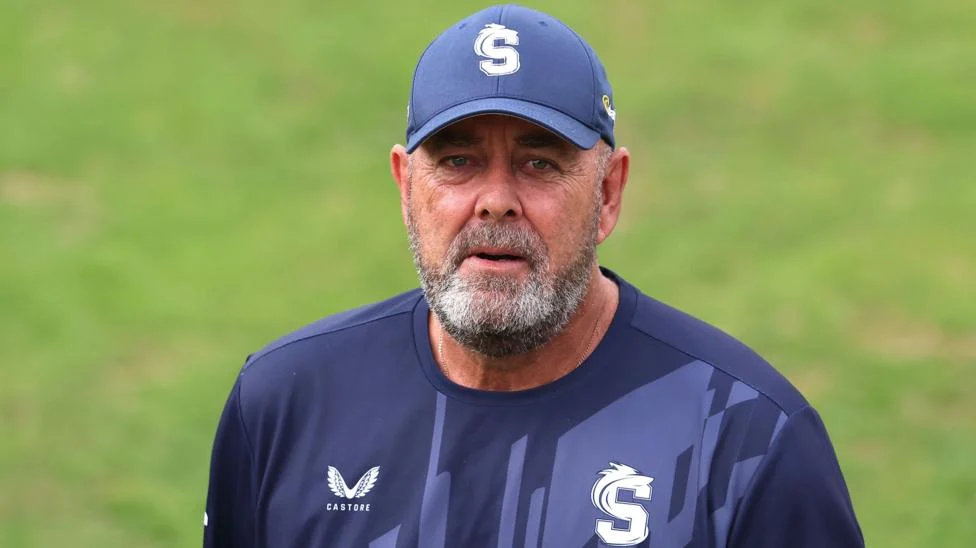
Former Australia coach Darren Lehmann has once again strongly denied any knowledge of the sandpaper plot, despite detailed allegations made by Cameron Bancroft. The ongoing controversy surrounding the cheating scandal from Australia’s third Test against South Africa in 2018 was reignited when Bancroft published a testimony exceeding 4,000 words in the West Australian newspaper.
Lehmann Addresses Bancroft’s Allegations
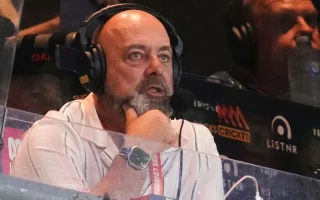
Lehmann left his commentary role for Australia’s third one-day international against England early when Bancroft’s account was published, but returned to broadcasting for the BBC and Australian network ABC for the first T20 international in Melbourne. In an extended interview with Matt Clinch on ABC, Lehmann stated that he did not know sandpaper was used by his team and maintained that no coaches encouraged players to tamper with the ball during the 2018 tour.
Regarding a walkie-talkie conversation with 12th man Peter Handscomb mentioned by Bancroft—allegedly an instruction from Lehmann to remove the sandpaper from the field—Lehmann said he was not sure and that the incident occurred after it played out on television. Lehmann also stated that he resigned as Australia coach before he was sacked, did not sign a non-disclosure agreement, and noted that the fallout took him to an extremely dark place.
The renewed debate began two weeks prior due to allegations in Usman Khawaja’s autobiography, asserting that the whole team knew and should have taken responsibility. Khawaja’s claims have been supported by David Warner, Chadd Sayers, and Jon Holland. Meanwhile, Cricket Australia confirmed its unanimous support for current captain Pat Cummins, and fast bowler Josh Hazlewood indicated he would consider his international future if Cummins were forced to stand down.
Reflecting on Trauma and Moving Forward
Describing the mental and physical toll of the scandal, Lehmann shared that it took him three or four years to return to normality following the traumatic events of eight and a half years ago. He expressed concern over the vitriolic nature of current social media commentary, noting that the trauma for everyone involved is visible once again.
Reflecting on what he might have done differently, Lehmann said he wished they had not pushed boundaries too far and acknowledged that he must take responsibility. He emphasized that the focus should be on people’s livelihoods, mental health, and moving forward rather than pushing individuals back into distressing places.
Lehmann concluded by expressing hope that people can respect everyone going through a tough time and allow the players to simply play the game of cricket.