Table of Content
Golf courses serve as major green spaces within communities, offering venues for sport and socialization while holding significant potential to support wildlife and build landscape resilience. According to sports.yahoo.com, modern course management requires greenkeeping teams to look far beyond traditional playing surfaces.
The Expanding Role of Greenkeeping
While traditional standards like green speed, fairway definition, and bunker consistency remain essential, greenkeepers now manage water, protect habitats, improve soils, reduce inputs, support biodiversity, and plan for extreme weather. Much of this vital work occurs in out-of-play areas such as boundary strips, woodland margins, and wet corners.
This environmental value is gaining wider recognition outside the sport. In England, Biodiversity Net Gain (BNG) allows suitable landowners, including golf clubs, to create or improve habitats that balance the biodiversity impact of developments elsewhere. If a developer cannot fulfill all nature improvements on-site, they may fund habitat creation on another property, potentially financing meadow creation, woodland management, hedgerow planting, or wetland restoration at a golf club.
Such initiatives require surveys, professional advice, member engagement, and long-term commitments, meaning they will not suit every facility. However, they demonstrate how golf land can deliver environmental value alongside sporting value.
Balancing Nature and Playability
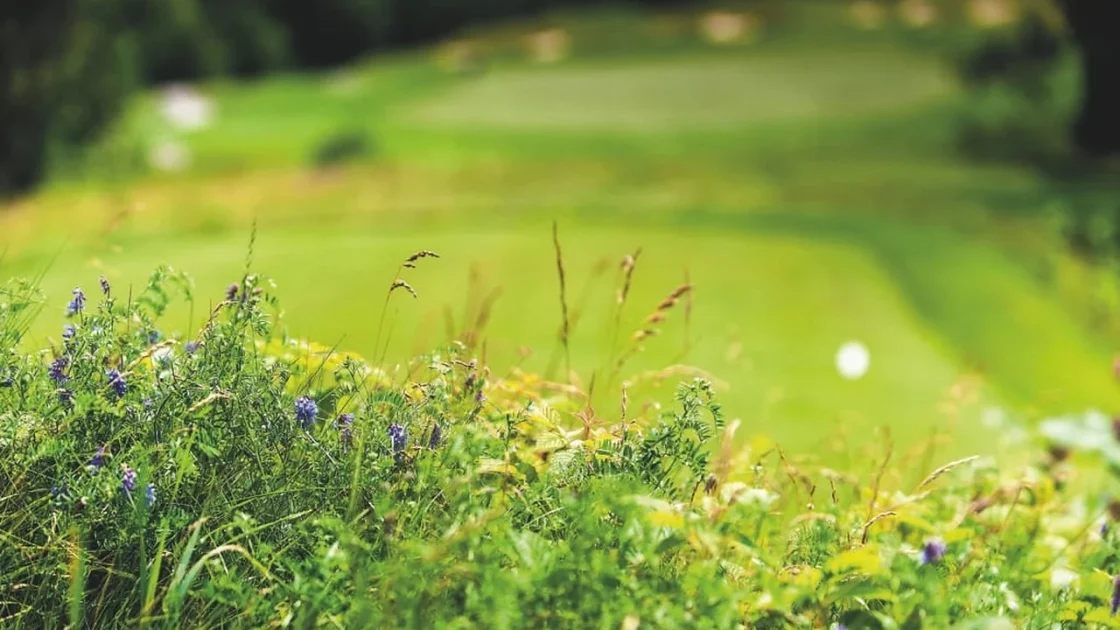
Playability always remains the primary focus. Effective environmental projects are designed around the game by greenkeepers who know where balls land and where changes can be implemented without frustrating players. Restored ponds assist with wildlife and water management, wildflower meadows attract pollinators, and managed woodlands improve tree health and course visibility.
Balancing these elements is increasingly critical as weather patterns become unpredictable. Hotter spells pressure turf health and irrigation, while heavy rains test drainage systems and raise flood risks. Longer playing seasons also limit recovery time for turf.
Nature-based enhancements help courses adapt to these challenges. Wetlands and watercourses aid drainage and water storage, while longer rough areas reduce unnecessary mowing. Healthy trees and hedgerows offer shelter and structure while allowing greenkeeping teams to optimize their resources.
Funding and Long-Term Strategy
Because course budgets face constant pressure and major improvements cannot always rely solely on subscriptions or green fees, clubs can explore grants, partnerships, and Biodiversity Net Gain frameworks to fund habitat management. Success depends on clubs creating a structured plan tailored to their specific landscape, members, and greenkeeping staff.
When members understand that restored wetlands, new meadows, and managed rough help wildlife and build weather resilience, they are more likely to appreciate the changes. Ultimately, investing in nature strengthens the fundamental elements that good golf relies upon, including healthy turf, sustainable maintenance, and a distinct visual character.
Roger Pearson, a specialist with over 20 years of experience, assists landowners and golf clubs in securing funding and developing strategies for nature restoration, as reported in Your Course, a publication by the British and International Golf Greenkeepers Association.