Table of Content
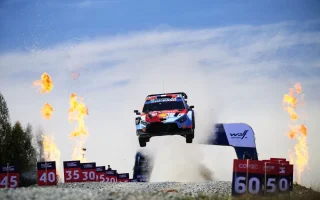
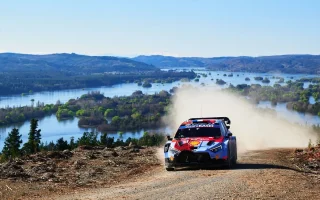
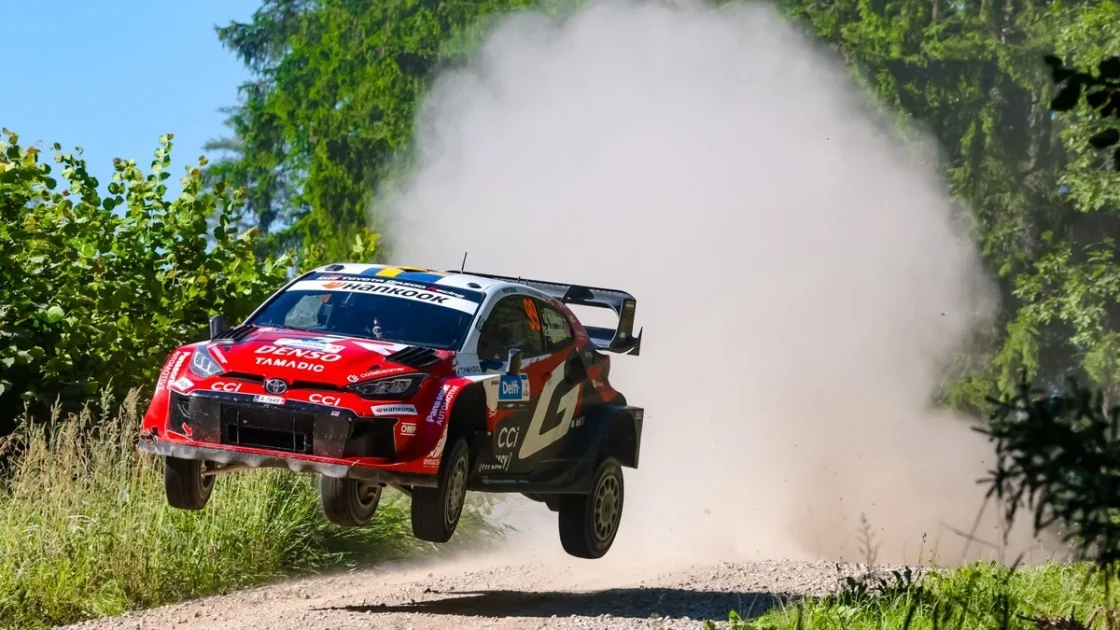
New Rally1 cars will hold the performance advantage required to win all World Rally Championship events in 2027, barring unusual circumstances, according to leaders from Toyota and M-Sport Ford. The performance margin between Rally1 and Rally2 machinery gained renewed attention following a WRC Commission proposal to segregate classes, which would restrict the championship’s ultimate prize exclusively to Rally1 cars next year.
Proposed Structural Changes
The WRC Commission meeting produced a draft of sporting regulation updates, including a new WRC1 classification, which will face a vote by the FIA. Under the proposed system, Rally2 entries will no longer be eligible to contend for the overall title. While championship points previously went to the top 10 overall finishers regardless of vehicle type, the 2027 framework introduces separate points systems for WRC1, WRC2, and WRC3 classes, alongside a rule restricting Super Sunday points strictly to Rally1 crews.
These modifications follow upcoming technical regulations for 2027 that narrow the performance gap between the vehicle categories. With Rally1 cars retaining only a 10 to 15 horsepower advantage over standard Rally2 vehicles, concerns arose that lower-tier cars might outperform the premier class, particularly on gravel rounds when running further down the starting order.
Team Principal Perspectives
Toyota team principal Jari-Matti Latvala expressed confidence that top-class machinery and drivers would secure victory on every rally, telling Motorsport.com that Rally1 cars will remain faster, albeit not drastically so. Latvala noted that while Rally2 cars might claim individual stage wins, premier drivers operating superior machinery possess the sustained performance capacity required across three full days of competition. Richard Millener, team principal at M-Sport-Ford, shared a similar outlook while acknowledging potential anomalies on specific events like Rally Sweden, where favourable fresh snow conditions for frontrunners could create uncatchable gaps.
Commercial Goals and Manufacturer Interest
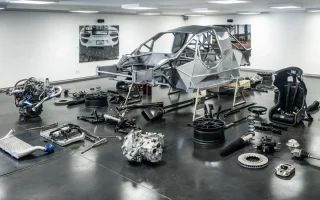
Millener explained to Motorsport.com that the restructuring aligns the WRC with the World Endurance Championship multi-class system to simplify the sport for casual fans and boost manufacturer participation. By establishing a clear top-tier category, the rules aim to incentivize constructors to develop FIA kits to upgrade Rally2 cars into Rally1 machines. Millener emphasized that eliminating weather-dependent victories and requiring constructors to build new cars are vital steps for the championship’s commercial growth and future expansion.
Purists have criticized the prohibition against Rally2 crews fighting for the overall title, noting it could alter rewards for consistency if entries outside the top 10 secure strong points following early mechanical troubles. Addressing this concern, Millener projected that the regulation change will instead drive up Rally1 participation numbers, estimating a potential grid of 15 to 17 cars based on manufacturer commitments and upgrade kits from brands including Skoda and Lancia. Millener concluded that a larger field of 15 to 20 Rally1 entries at events will render classification concerns irrelevant.