The responses and reprisals surrounding Australia’s infamous ball-tampering scandal have lacked proportionality over the past eight years. What began in Cape Town has morphed into a continuous loop of outrage, conflicting narratives, and public overreaction.
The Search for the Ultimate Truth
Following the publication of Cameron Bancroft’s first-person account and Usman Khawaja’s book Sabr, public discourse immediately pivoted toward the next statement, podcast, or counterclaim. Broadcasters scrutinized player essays while commentators demanded comprehensive judicial inquiries akin to coroner’s inquests with cross-examined witnesses.
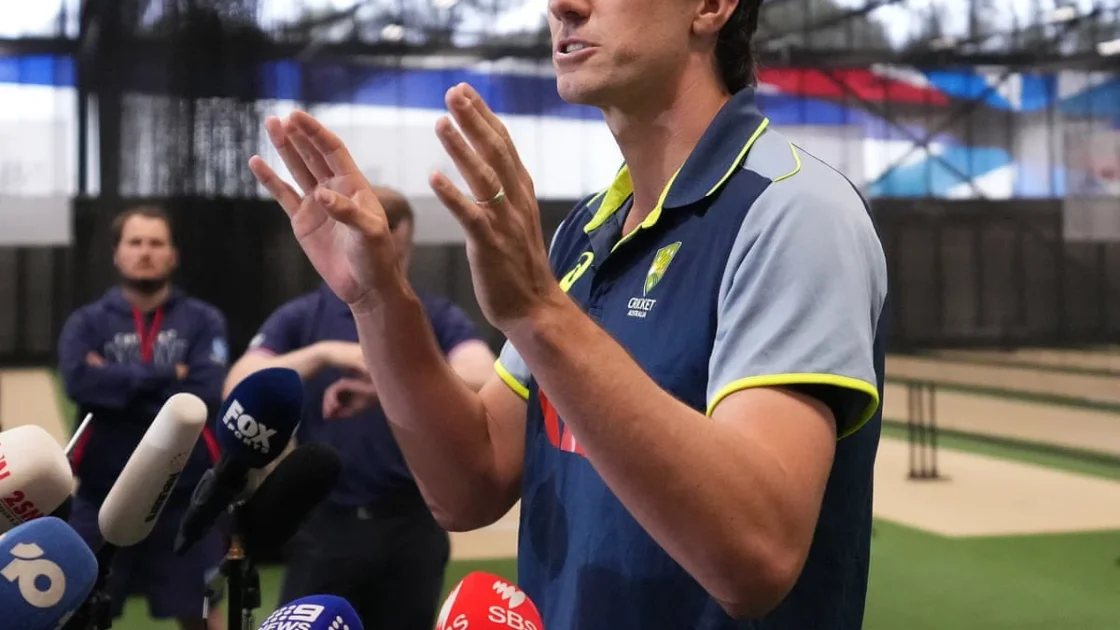
Australia captain Pat Cummins recently delivered a press conference that drew massive media attention and rave reviews from observers who praised his strength and composure. In contrast, Khawaja’s television interview prompted a starkly different public reception, illustrating how the ongoing saga repeatedly forces observers to judge player character based on presentation, public speaking skills, and media savvy.
The core issue with this narrative is the demand for a definitive version of events and smoking guns. Without irrefutable evidence, observers tend to assign roles such as villain, schemer, or whistleblower. As athletes utilize various media platforms, public perception shifts constantly from hour to hour.
The Grey Areas of Sporting Scandals
While commentators push for black-and-white verdicts and formal investigations, the reality of sporting controversies usually resides somewhere in the grey. Opinions remain divided over whether the incident was a carefully orchestrated scheme or a rushed plot involving a select few. Cricket reporter Peter Lalor noted on his podcast Cricket Et Al that elite athletes often narrow their focus strictly to their immediate responsibilities, sometimes deliberately avoiding broader details to maintain plausible deniability.
Modern sports scandals frequently follow a predictable trajectory involving initial chaos, cultural arguments, and gradual information leaks. Recent controversies in Australian rules football, such as an incident involving the Sydney Swans and a Geelong concussion waiver issue, demonstrated how professional public relations infrastructure can suppress or resolve major stories swiftly.
The prolonged fallout from the ball-tampering saga highlights a lack of perspective among administrators, players, and commentators alike. Chasing absolute truths while ignoring the realities of human frailty and dressing room dynamics leaves sports culture trapped in a continuous cycle of judgment and overreaction.