Table of Content
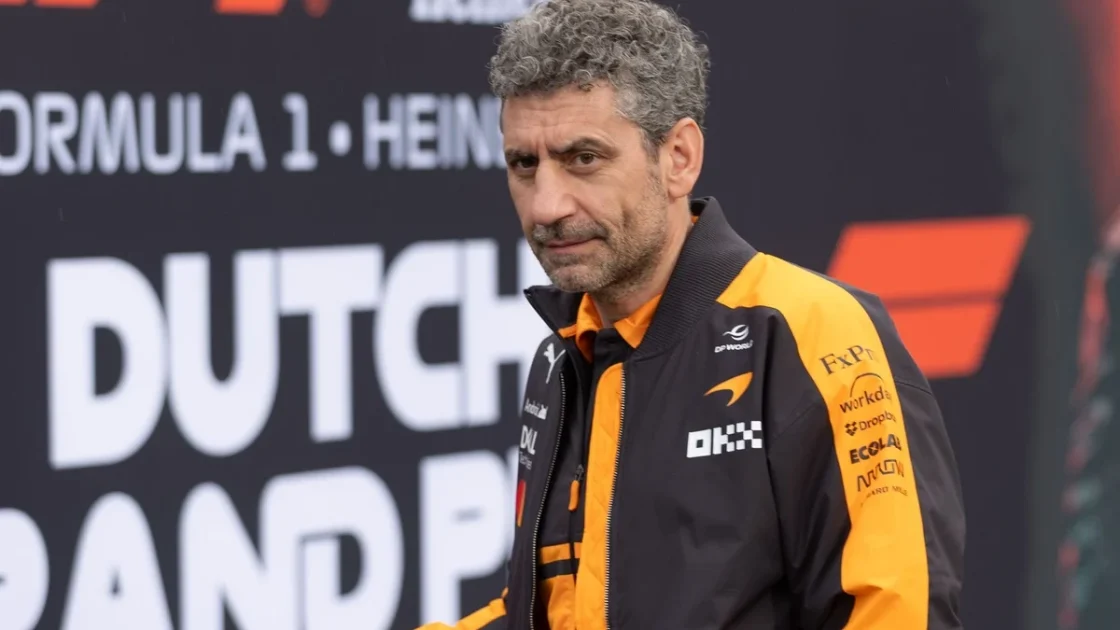
McLaren’s 2026 Formula 1 season has been characterised by a recovery effort that never quite came to fruition. Yet, team principal Andrea Stella insists the reasons for this are well understood, telling Autosport that the team is in a completely different place compared to the start of the year.
A Three-Month Development Deficit
Whenever it seemed to have caught its rivals, McLaren found itself falling behind once again through a difficult start, intermittent progress, and a gradual decline. Stella traces the team’s 2026 difficulties back to three decisive factors from the previous season: a development delay, the intense demands of the 2025 championship battle, and the disadvantages of being a Mercedes customer team at the dawn of a new regulatory era. Stella noted that every upgrade introduced by top teams worked, but competitiveness must be assessed in relation to rivals rather than absolute progress.
Stella admitted that McLaren started the season three months behind in development, a problem already identified by analysing 2025 trends. The team had planned to redirect resources toward the 2026 project, but Red Bull’s late-season resurgence forced a continued focus on the MCL39. Furthermore, managing the championship ambitions of Lando Norris and Oscar Piastri while maintaining internal balance made it the hardest season of Stella’s 26-year Formula 1 career.
The Customer-Engine Factor
A second major hurdle involved being a customer engine team. While McLaren had previously won world championships using customer power units, the new regulations changed that dynamic significantly. Mercedes HPP had to establish priorities, and customer teams did not rank first when it came to power curves, cooling aspects, or integration timing. Minor discrepancies, such as gearbox ratios not matching on-track power curves, resulted in structural disadvantages.
Additionally, proprietary software developed jointly by Mercedes HPP and the works team could not be shared with McLaren due to intellectual property constraints. McLaren had to develop equivalent tools alongside HPP, creating a delay that will only grant McLaren full access to those optimisation capabilities in 2027. Stella holds no animosity toward Mercedes, acknowledging their reliability challenges and confirming that the working relationship remained positive despite the structural disadvantage.
The Return to Winning Ways in 2027
Upgrades brought to Miami and Hungary produced clear improvements, but rivals also progressed. At Baku, energy management difficulties prevented full battery deployment down the main straight, echoing earlier issues in Melbourne and China. Stella admitted that McLaren underestimated how decisive the power unit would become under the new regulations.
Looking ahead, Stella expressed optimism for 2027, noting a much deeper understanding of the car and the Mercedes power unit. With less demanding sporting management than the previous year, leadership could focus heavily on technical preparation. Stella stated that after securing two consecutive constructors’ championships, the team’s ambition remains firmly set on returning to world championship form.